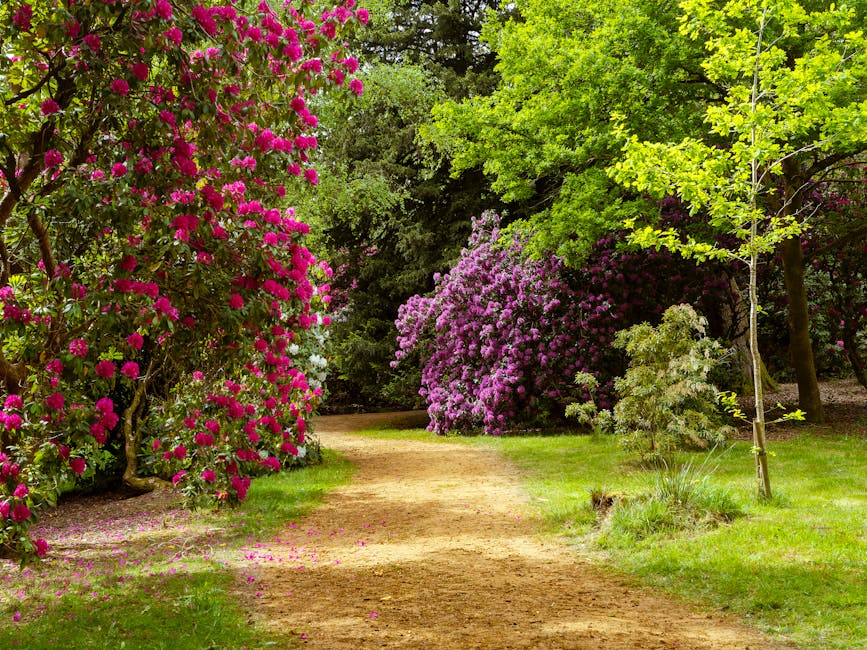
Best gardeners for Southborough Common borders and paths
If you're looking for the best gardeners for Southborough Common borders and paths, you probably want more than a quick tidy-up. You want edges that stay neat, planting that suits the light and soil, and paths that feel safe and welcoming without constant fuss. That's the real job here: making borders frame the garden properly and keeping walkways clear, resilient, and easy to live with.
In practice, good border and path work is part garden care, part design, and part long-term maintenance. It affects how the whole space feels the moment you step outside. A neat path with soft, well-chosen borders can make even a modest garden look calmer and more finished. And yes, it also saves time later. Truth be told, that is often the bit people appreciate most.
This guide breaks down what skilled gardeners do, how to judge quality, which services make sense, and what to ask before booking. If your garden in Southborough Common needs sharper lines, cleaner surfaces, or planting that doesn't constantly spill over the edge, you're in the right place.
Table of Contents
- Why borders and paths matter
- How professional border and path care works
- Key benefits and practical advantages
- Who this is for and when it makes sense
- Step-by-step guidance
- Expert tips for better results
- Common mistakes to avoid
- Tools, resources and recommendations
- Law, compliance, standards and best practice
- Options and comparison table
- Case study or real-world example
- Practical checklist
- Conclusion
- Frequently asked questions
Why Best gardeners for Southborough Common borders and paths Matters
Borders and paths do a lot of quiet work. They guide movement, shape first impressions, reduce muddle, and stop a garden feeling as though it is slowly spreading everywhere. If you've ever walked through a garden where the path has narrowed under weeds or the border has turned into an untidy tangle, you'll know the problem immediately. It doesn't just look messy. It changes how you use the space.
For Southborough Common gardens, that matters even more because local gardens often need to cope with a mix of shaded corners, seasonal leaf fall, wind exposure, and changing moisture levels. A border that thrives in full sun may sulk in a cooler corner. A path that looked fine in summer can become slippery or cluttered by autumn. The best gardeners plan for those realities rather than pretending the garden lives in a brochure.
Strong border and path care also supports the rest of the garden. It makes lawn mowing easier, reduces weed spread, and helps planting stay healthier because soil and mulch are managed properly. If you want the garden to feel intentional, this is where it starts. Not flashy. Just solid, tidy, thoughtful work.
And there's another point people often miss: well-kept borders and paths improve access. That matters for pushchairs, older visitors, pets, and anyone who just wants a safe route across the garden after rain. A good gardener notices that. They don't only trim. They think about movement.
How Best gardeners for Southborough Common borders and paths Works
The best gardeners don't approach borders and paths as separate chores. They assess them together. That's because each affects the other: encroaching plants can swallow a path, while a narrow or broken path can make border maintenance awkward and irregular.
Typically, the process starts with a walk-through and a proper look at the site. A good gardener checks:
- the width and condition of the path
- the border's depth, shape, and planting density
- weed pressure and self-seeded growth
- drainage and puddling around edges
- overhanging growth or awkward shrubs
- how much sunlight the area actually gets
From there, they decide whether the job is mainly maintenance, renovation, or improvement. Maintenance might mean edging, pruning, weeding, sweeping, and topping up mulch. Renovation can involve lifting tired plants, refreshing soil, reshaping the bed, or resetting a path edge. Improvement goes further and may include new planting, better ground cover, or even complementary work through landscaping services if the layout itself needs a rethink.
For paths, the work often includes clearing moss, algae, grit, debris, or weeds from joints and edges. If the surface is paved, the gardener will usually pay attention to the joints and the run-off areas because that is where mess starts. If the path sits beside beds, edging is vital. A crisp edge is a small detail, but it changes the whole feel of the garden. You notice it straight away.
For borders, the job is about balance. Too much trimming and the planting looks harsh. Too little and it becomes chaotic. Skilled gardeners know how to keep the structure while still letting the plants do their thing. Not every border should look the same, either. A formal front strip needs very different treatment from a relaxed, cottage-style edge near a seating area.
Key Benefits and Practical Advantages
There are plenty of reasons to invest in proper border and path care, but the best ones are practical. Here's what good work actually gets you.
- Cleaner lines: The garden immediately looks more ordered and intentional.
- Safer walking routes: Less moss, less debris, fewer hidden trip hazards.
- Better plant health: Reduced competition from weeds and improved airflow around planting.
- Lower maintenance later: Regular edging and mulching can prevent bigger jobs down the line.
- Better use of space: Borders stay in proportion, and paths remain easy to use.
- Improved seasonal resilience: Well-managed beds and clean edges cope better with wet weather and leaf fall.
There's also a visual benefit that's hard to overstate. A border trimmed properly around a path can make even simple planting look more expensive and polished. That's not marketing fluff. It's just how the eye works. Clean boundaries calm the scene.
If you want a more low-maintenance garden overall, border design can help. Ground covers, for example, can reduce bare soil and suppress weeds. A useful guide on that is stylish ground covers for UK gardens. Pair that with good edging and you have a much more manageable result.
And if the problem is not just tidiness but persistent weeds, the right approach matters even more. You can explore practical control methods in this weed-free garden guide. No miracle cures, just decent habits done consistently.
Who This Is For and When It Makes Sense
Border and path work makes sense for quite a few people, and not only those with large gardens. In fact, smaller gardens can benefit just as much, sometimes more. When space is tight, untidy edges stand out immediately.
This service is a good fit if you:
- want a garden that feels neat without constant weekend work
- have overgrown plants spilling across paths
- struggle with weeds between paving or along edges
- need better access for children, guests, or older family members
- want to refresh tired borders without fully redoing the garden
- have a rental property and need reliable presentation
- notice paths becoming slippery or hard to keep clear
It also makes sense after certain seasonal shifts. Spring is a common reset point because you can see what survived winter. Autumn is another key moment, especially if leaf fall and damp weather start to make paths untidy. To be fair, waiting until the garden looks awful is usually the expensive route.
Families often notice a difference quickly. A clean border around a path means fewer muddy shoes, less plant damage, and less frustration when people move through the space. Pet owners feel it too. A dog racing along a path will find every loose edge and every gap in a border. Nature can be cheeky like that.
Step-by-Step Guidance
If you're planning border and path work, here's the most sensible order of operations. It keeps the work efficient and avoids doing the same job twice.
- Assess the site properly. Look at plant health, path surface, drainage, shade, and access. A good gardener will spot where the real issues are, not just the visible ones.
- Clear the route first. Remove loose debris, fallen leaves, overgrowth, and weeds from the path edge. You want to see the bones of the space.
- Define the border line. Re-edge where needed so the boundary between path and planting is crisp. This alone can transform a garden. Really, it can.
- Prune and shape plants. Cut back anything that hangs over the path or blocks the flow of light and movement.
- Improve the soil. If the border is tired, feed it properly. Compost or organic matter can make a noticeable difference. See organic waste soil enrichment ideas for a practical approach.
- Add mulch or ground cover. This helps control weeds and protects the soil surface.
- Check the path surface. Sweep, wash, or treat the surface depending on the material and condition. If needed, a dedicated patio cleaning service can help restore cleaner hard landscaping nearby.
- Set a maintenance rhythm. Agree how often edging, pruning, and sweeping should happen so the work holds up.
If the border area is part of a larger refresh, it can be worth combining it with garden maintenance so the whole space is handled consistently. That's often more sensible than tackling one strip at a time and hoping for the best. Hope is lovely. But maintenance wins.
Expert Tips for Better Results
Good results usually come from the small decisions. Here are the ones that matter most.
- Match planting to the border's conditions. Don't force sun-loving plants into shade or use thirsty plants where drainage is poor.
- Think in layers. Taller structure plants, mid-height fillers, and lower edging plants create a border that looks finished from every angle.
- Use the path as a design line. The path should guide the eye, not compete with the planting.
- Keep the edge visible. When borders blur into paths, gardens start to feel smaller and messier.
- Choose plants with behaviour in mind. Some spread fast, some flop, some self-seed enthusiastically. Enthusiastic is fine. Unruly is another story.
- Plan for weather, not just looks. Wind, rain, frost, and shade all affect how borders perform over time.
A small but useful tip: if a border keeps collapsing into a path, it may not be a trimming problem. It may be a planting-choice problem or a soil-support problem. That's the sort of thing experienced gardeners notice early. One quick tidy can hide it for a week; the right fix will keep it under control for months.
If your garden faces exposure, you may also find weather resilience tips for your garden helpful. And if wind is a recurring issue, reducing wind in the garden naturally can make path-side planting behave better.
For a softer look, especially in narrower spaces, some people use evergreen climbers or low-growing fillers near walls and fences to balance the path edge. There's a useful overview here: evergreen climbers for shaded spaces.
Common Mistakes to Avoid
This is where a lot of otherwise decent garden work goes off track. Most mistakes are not dramatic; they're just the sort of thing that quietly creates more work later.
- Cutting borders too hard. Over-pruning can strip shape and stress plants.
- Ignoring path edges. If the edge is rough, weeds and debris will keep returning.
- Using the wrong plant in the wrong place. Lovely plant, wrong light. Happens all the time.
- Letting soil sit bare. Bare soil invites weeds, dries out faster, and looks unfinished.
- Choosing slippery surfaces without a cleaning plan. Paths need maintenance, especially in damp UK weather.
- Forgetting access. A beautiful border is not so beautiful if it blocks the route.
One of the most common issues is trying to solve every problem with one visit. It's understandable, but gardens rarely work like that. A path may need cleaning, the border may need reshaping, and the plants may need rethinking. That layered approach is usually what separates a tidy result from a truly durable one.
If you're on a budget, that's okay. There are ways to improve a garden steadily without overspending, and this guide on budget-conscious gardening ideas is a good starting point.
Tools, Resources and Recommendations
For border and path work, the tools matter because precision matters. You don't need a van full of gear, but you do need the right kit for clean, consistent results.
- Border spade or edging tool: for crisp lines along the path.
- Hand fork and weeding tools: for getting weeds out properly rather than snapping them off.
- Secateurs and loppers: for shaping shrubs and cutting back spill-over growth.
- Stiff broom or outdoor brush: for sweeping paths and removing grit.
- Pressure or low-impact cleaning equipment: used carefully for harder surfaces when appropriate.
- Mulch or compost: to protect soil and improve borders.
- Gloves, eye protection, and sturdy footwear: basic, but important.
If you're building up your own maintenance routine, the right equipment helps a lot. There's a sensible overview in essential garden tools. And if you like planning the planting side carefully, beginner planting tips still contain a few genuinely useful reminders for more experienced gardeners too.
For gardens where one corner needs a lighter touch, container planting can be a clever way to define path edges without overcommitting to permanent bed changes. You can read more in successful container gardening. It's especially handy if the soil by the path is awkward or compacted.
A quick note on hardscape nearby: if you're dealing with steps, decking edges, or a seating area beside the border, keeping those surfaces in good order can make the whole route feel cleaner. Sometimes the answer is not more planting. Sometimes it's just better spacing. Simple, but true.
Law, Compliance, Standards and Best Practice
For private garden work, most of the day-to-day focus is on safety, access, and responsible practice rather than heavy regulation. Still, reputable gardeners should work sensibly and keep to recognised good practice.
That means using equipment properly, keeping walkways safe while work is in progress, and handling waste responsibly. If trees or larger branches affect borders and paths, a cautious approach matters, especially where height, reach, or property boundaries are involved. In those cases, it may be appropriate to consider tree surgery services rather than trying to brute-force the issue with basic pruning.
Good practice also includes:
- clear communication before work starts
- appropriate insurance and safety awareness
- care around fragile paving, drains, and planted areas
- respect for neighbouring boundaries and shared access
- tidy removal of clippings and waste where agreed
If you are comparing providers, it's sensible to check how they talk about safety and service handling. Pages such as health and safety policy, insurance and safety, terms and conditions, and payment and security can help you judge whether a business takes the basics seriously.
Accessibility matters too. A good garden should be easy to move through, not awkward or unsafe. If you're planning for family use, mobility, or just better day-to-day access, these concerns deserve proper attention. Not as an afterthought.
Options, Methods, or Comparison Table
There isn't one single way to handle borders and paths. The best option depends on how formal you want the space to look, how much time you want to spend maintaining it, and what the garden is actually like on the ground.
| Approach | Best for | Strengths | Trade-offs |
|---|---|---|---|
| Regular maintenance edging | Established gardens with defined paths | Fast, neat, affordable to maintain | Needs repeated visits to stay sharp |
| Border renovation | Tired, overgrown, or poorly shaped beds | Big visual improvement, better plant balance | Takes more planning and usually more time |
| Low-maintenance planting upgrade | Busy homeowners and rental gardens | Less weeding, easier upkeep | May be less varied or seasonal in appearance |
| Path cleaning and repair focus | Slippery or cluttered walkways | Improves safety and usability quickly | Doesn't solve weak planting design on its own |
| Full garden refresh | Gardens needing both structure and planting changes | Most complete transformation | Higher cost and more disruption |
In most Southborough Common gardens, the sweet spot is somewhere between maintenance edging and selective renovation. That's especially true if the main issue is tired-looking borders rather than a full redesign. Start with the structure, then improve the planting if needed. Usually that's enough to make the garden feel new again.
Case Study or Real-World Example
Here's a typical scenario. A small suburban garden has a paving path running between a lawn and a mixed border. Over time, shrubs have leaned into the walkway, weeds have appeared along the edge, and the paving looks dull after a wet spell. Nothing dramatic. Just that familiar "it's getting a bit much" feeling.
A skilled gardener would likely begin by clearing the path, re-establishing the border line, and removing weed pressure from the edge. Then they'd prune the shrubs so the path feels open again. If the border soil looks tired, they might improve it with compost and top up mulch to slow down weed return. If the path itself is stained or mossy, they'd clean it carefully rather than blasting it and risking damage.
After that, the same garden can suddenly feel easier to live with. The path looks wider. The border looks deliberate. The whole place breathes a bit. And that's usually what homeowners want, even if they don't say it in exactly those words.
That kind of result is often supported by broader upkeep too, like lawn care or regular lawn mowing, because once the edge is clean, the rest of the garden looks more connected. Small thing, big effect.
Practical Checklist
Use this quick checklist before booking or starting work. It keeps the job focused and helps you judge whether a gardener really understands borders and paths.
- Have you identified whether the issue is maintenance, renovation, or both?
- Are the path edges clearly defined, or have they blurred into the border?
- Do the plants suit the amount of shade, wind, and moisture in that area?
- Is there a weed plan, not just a one-off tidy?
- Do the paths need cleaning, repairs, or just sweeping?
- Will the work improve access as well as appearance?
- Is the border soil healthy enough, or does it need feeding and mulching?
- Are there overhanging branches, bulky shrubs, or problem roots to consider?
- Do you know how often the area will need follow-up care?
- Have you checked pricing, timing, and service expectations clearly?
Expert summary: the best gardeners for Southborough Common borders and paths are the ones who balance tidiness, plant health, access, and maintenance. They don't just cut back growth and leave. They make the space easier to use and easier to keep nice. That's the difference.
Conclusion
Well-kept borders and paths do more than look smart. They make a garden feel calmer, safer, and more usable every day. In Southborough Common, where weather, shade, and seasonal debris can all affect the way a garden behaves, choosing the right gardener makes a real difference.
Look for someone who understands structure, plant behaviour, maintenance rhythm, and practical access. If they can explain what they'd do and why in plain English, that's a very good sign. If they can see the whole space rather than only the obvious problem, even better.
And if you want a garden that feels easier to walk through on a damp morning, cleaner at the edge of the lawn, and just generally more cared for, this is one of the most worthwhile improvements you can make. Quietly transformative, really. One of those jobs you notice every single time you step outside.
Get a free quote today and see how much you can save.
If you'd like to speak with a local team about border shaping, path cleaning, planting maintenance, or a broader garden refresh, the next sensible step is to get in touch with the gardening team. A short conversation now can save a lot of faff later.
Frequently Asked Questions
What makes a gardener good for borders and paths specifically?
A good gardener understands edging, pruning, weed control, planting balance, and the safe upkeep of walkways. They should be able to keep the border looking intentional without making the plants look overworked.
How often should borders and paths be maintained?
That depends on growth rate, weather, and how much the garden is used. Many gardens benefit from regular light maintenance rather than waiting for a big seasonal clear-out. Frequent small jobs usually beat occasional rescue missions.
Can path cleaning be done at the same time as border work?
Yes, and in many cases it should be. Cleaning the path while shaping the border gives a much better finish because the edge between them becomes clear again.
Is border renovation better than constant trimming?
If the border is overgrown, badly shaped, or full of competing plants, a proper renovation can be better in the long run. Constant trimming can hide the issue without solving it.
What plants work well near paths in UK gardens?
Generally, compact, tidy, or slow-spreading plants work best. Low growers and controlled shrubs tend to be easier to manage near walkways. The right choice depends on light, soil, and how much maintenance you want to do.
How do I stop weeds coming back along the path edge?
Start with a clean edge, remove roots properly, and keep the area covered with mulch or another suitable material where possible. For a more detailed look, see the garden guide on keeping spaces weed-free.
Will a gardener also help with slippery or mossy paths?
Often, yes. Many gardeners can clean hard surfaces as part of a broader maintenance visit, though the exact method depends on the surface type and condition. A careful approach matters, especially with older paving.
Do borders and paths need different skills?
They do, but the best gardeners are comfortable with both. Borders call for plant knowledge and shaping skill, while paths need surface awareness, cleaning sense, and a good eye for safety.
Should I choose a low-maintenance border design?
If you're busy, travel a lot, or simply don't want weekly gardening chores, low-maintenance design makes a lot of sense. Ground covers, hardy planting, and clean edging can reduce the workload noticeably.
What should I ask before booking a gardener?
Ask what they'd do first, whether they recommend maintenance or renovation, how they handle waste, and how often the area will need follow-up care. Also ask about safety, insurance, and what's included in the quote.
Can a gardener improve access for children, older relatives, or pets?
Absolutely. Good border and path work can make the garden easier and safer to move through. That includes reducing overgrowth, clearing debris, and keeping walking lines wide and predictable.
What if my garden is small and the path takes up most of it?
That's actually quite common. In a smaller garden, neat edging and well-chosen planting are even more important because every line is visible. The right gardener can make a compact space feel calmer rather than crowded.