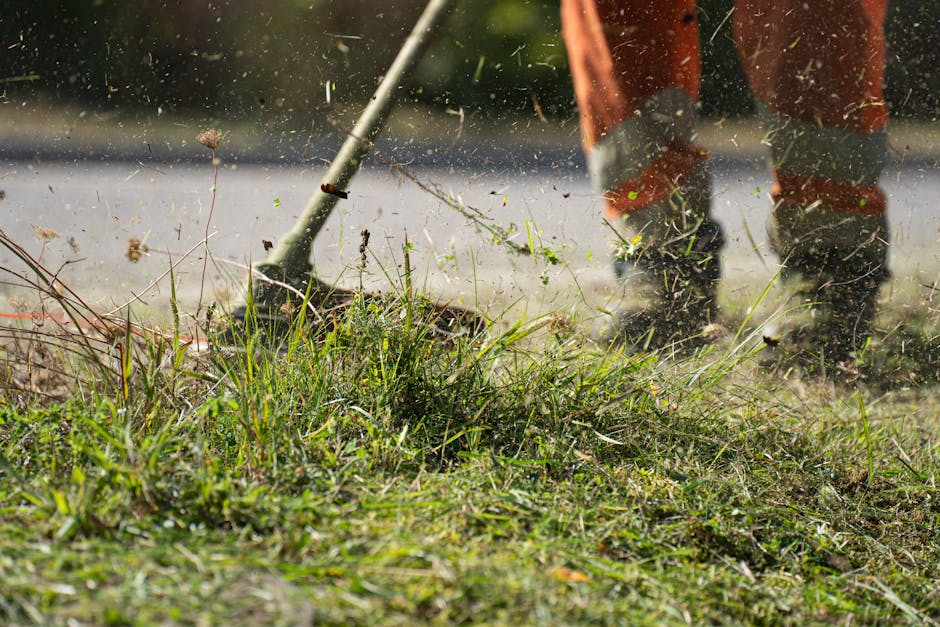
Common problems with emergency garden clearance in Southborough
When a garden suddenly gets out of hand, the stress can feel oddly personal. One day it looks manageable; the next, after a windy night, a burst pipe, a tenant move-out, or a season of neglect, it becomes a tangled mess that needs clearing now. That is where emergency garden clearance in Southborough comes in. The catch? Urgent jobs are rarely simple. Access can be tight, waste can be awkward, hidden hazards appear at the worst moment, and the clock is always ticking.
This guide looks closely at the common problems with emergency garden clearance in Southborough, why they happen, what to expect on the day, and how to avoid the most frustrating mistakes. If you are weighing up a quick clearance, a tidy-up after storm damage, or a same-week turnaround before an inspection, you will find practical answers here. And yes, a few things are easier when you know what to ask before the first bag gets lifted.
Why Common problems with emergency garden clearance in Southborough Matters
Emergency clearance is not just "a big tidy-up". In practice, it is a fast response to a garden that has become unsafe, inaccessible, unsightly, or simply impossible to maintain without specialist help. In Southborough, that can happen after heavy weather, an overgrown period during holidays, an end-of-tenancy deadline, or when a garden starts affecting neighbouring properties. Truth be told, the real issue is often not the mess itself, but what is hiding beneath it.
The main problems usually fall into a few buckets: blocked access, unpredictable waste volumes, hidden damage, and rushed decisions. A pile of brambles might be covering broken paving. A patch of overgrowth might be concealing a slippery path, rotten timber, or a nest. A garden that looks like "just a lot of weeds" can suddenly become a job that needs more than bags and elbow grease. That is why the problem deserves careful planning, even when the situation feels urgent.
There is also the local angle. Southborough gardens are often a mix of mature planting, compact access, fences, patios, hedges, and storage areas that have been used as temporary dumping grounds over time. In other words, a clearance team can't just rush in and start throwing everything into one pile. A smart approach matters. If you are also thinking about longer-term upkeep after the emergency is handled, a sensible next step is to look at ongoing garden maintenance so the same problem does not quietly return in six weeks.
How Common problems with emergency garden clearance in Southborough Works
At its simplest, emergency garden clearance means removing unwanted green waste, debris, fallen branches, broken items, overgrowth, and sometimes light rubbish from a garden quickly and safely. In real life, it usually starts with a visual assessment, a rough priority order, and a decision about what has to be done immediately versus what can wait. That distinction matters more than people think.
A good clearance process often follows a pattern:
- Identify immediate risks such as trip hazards, sharp objects, unstable branches, or blocked exits.
- Check access points, gate widths, vehicle entry, and where waste can be staged.
- Separate reusable, recyclable, compostable, and non-plant material where possible.
- Remove the most urgent obstructions first so the space becomes safe and workable.
- Clear remaining debris in sections, rather than creating a bigger mess in a different corner.
- Leave the garden in a condition that is safe for follow-up work, whether that is mowing, hedge work, or landscaping.
The snag is that emergency jobs rarely unfold in neat phases. Weather may interrupt. A narrow side passage can make wheelbarrow access awkward. Waste may include both green material and bulky items that need separate handling. Sometimes, a client's idea of "urgent" means one thing and the actual site condition means another. Not a disaster, but it does need straight talking.
For example, after a storm, a fallen hedge may look like a single issue. But once it is lifted, you might discover the fence line has shifted or the roots have damaged the boundary. In that case, clearance and repair become linked. A broader service mix may be needed, and many homeowners end up looking at fencing support or even tree surgery if the problem reaches beyond surface-level debris.
Key Benefits and Practical Advantages
It may sound obvious, but emergency clearance is most valuable when it stops a messy situation from getting worse. That sounds plain, yet the benefits are quite practical. A cleared garden is easier to inspect, safer to walk through, and much easier to plan around if you need further work done later.
The biggest advantages are usually:
- Reduced risk: Trip hazards, hidden sharp objects, and unstable branches are dealt with quickly.
- Better access: Paths, gates, patios, and side returns become usable again.
- Less stress: Once the area is clear, the job stops feeling overwhelming. Small mercy, but a real one.
- Improved next-step planning: You can then decide whether you need mowing, hedge cutting, repairs, or a full redesign.
- Cleaner appearance: This matters for property viewings, tenancy handovers, sale prep, or simply getting your space back.
There is also a psychological benefit that gets overlooked. A chaotic garden can make the rest of the property feel unfinished. Once the clutter is removed, people often find it easier to think clearly about what they want the garden to become. If you need some inspiration after the clearance, a few of the site's practical gardening ideas are worth browsing, such as keeping your garden weed-free or creating a calmer garden corner.
Who This Is For and When It Makes Sense
Emergency garden clearance is for anyone who needs a garden brought under control quickly, but the typical cases are fairly predictable. Homeowners, landlords, tenants near the end of a tenancy, letting agents, and property managers often need it when a space has become too messy or unsafe to leave alone.
It makes sense when:
- storm damage has scattered branches, leaves, and debris;
- the garden has become heavily overgrown and is blocking access;
- a property needs to be shown, sold, or handed back quickly;
- there is a sharp increase in weeds, brambles, or invasive growth;
- dead plants, broken pots, or old materials are causing clutter;
- there is standing waste after previous DIY or landscaping work.
For families, the concern is often safety. For landlords, it is usually compliance with a deadline. For older homeowners, it may simply be that a once-manageable garden has become too physically demanding to sort out alone. And to be fair, that is exactly when an emergency service earns its keep.
If the problem is mainly routine overgrowth rather than a true emergency, a lighter-touch option may be enough. In that case, lawn care, lawn mowing, or hedge trimming in Southborough might solve the issue without the cost and disruption of a full clearance.
Step-by-Step Guidance
If you are trying to avoid the common problems with emergency garden clearance in Southborough, the best move is to slow the process down just enough to plan it properly. You do not need a perfect strategy. You need a safe one.
- Walk the site first. Before anything is removed, look for hazards, access issues, and anything that may need specialist handling.
- Define the urgent outcome. Is the goal safe access, visual recovery, waste removal, or preparation for another trade? Say it clearly.
- Separate the garden into zones. Front, side, rear, patio, shed edge, hedge line. Small zones keep the job under control.
- Clear the most dangerous material first. Broken glass, sharp metal, unstable limbs, and trip hazards come before cosmetic tidying.
- Sort waste as you go. Green waste, timber, soil, old pots, and general rubbish can create different disposal needs.
- Check what remains. Once the clutter is gone, inspect for damage, drainage issues, rot, or structural problems.
- Finish with a stabilising tidy. Even a basic rake-through or sweep helps the space feel functional again.
The tricky bit is stage three and four, because urgency can tempt people to skip straight to removal. That is how small problems become expensive ones. A branch may look dead until it falls the wrong way. A mound of weeds may be hiding uneven ground. A fast job can still be a careful job. It just needs a bit of discipline.
If you are unsure where to begin, some homeowners find it useful to compare emergency work with standard service planning. The broader gardening services page can help frame what is urgent now and what can be scheduled later.
Expert Tips for Better Results
Emergency work is easier when you think like a person trying to avoid the second mess. That means planning for waste, weather, access, and follow-up before the first rake touches the ground.
1. Photograph the site before work starts
This is especially useful for landlords, property managers, and anyone dealing with an insurance-related claim. It also helps you remember what changed once the garden is cleared. In the moment, details blur surprisingly fast.
2. Be clear about boundaries
Know which areas are included. Does the job cover only the rear garden, or also the side return, front boundary, and patio edges? Clear boundaries prevent awkward surprises. Not glamorous, but essential.
3. Watch for hidden soft spots
Overgrown gardens can disguise boggy patches, loose slabs, and sunk edges. If a team is rushing, they may miss these. Slowing the first sweep slightly is often worth it.
4. Don't treat all green waste the same
Branch wood, hedge clippings, turf, and leaf litter behave differently when loaded, carried, and disposed of. Mixing everything into one wet, heavy pile can make an urgent job harder than it needs to be.
5. Plan for the day after
A cleared garden can look finished and still need follow-up. A quick mow, targeted weed removal, or hedge work may be the difference between "cleared" and "actually usable". If hedges are part of the issue, hedge trimming techniques and local hedge care guidance can be a useful next read.
One small, slightly annoying truth: the faster the deadline, the more likely you are to discover one forgotten corner with three bin bags' worth of debris in it. Happens all the time.
Common Mistakes to Avoid
This is where most emergency clearances run into trouble. The work itself is not always the issue. The mistakes around the work are.
- Underestimating waste volume: What looks like one trailer load can turn into two, especially after months of neglect.
- Ignoring access limitations: Narrow gates, steps, steep paths, and locked side entries can slow everything down.
- Assuming it is only cosmetic: Overgrowth can hide rot, pests, broken fixtures, and damaged edging.
- Skipping a safety check: Old tools, glass, nails, and hidden rubble are common in neglected spaces.
- Leaving the site half-cleared: A partly cleared garden can look worse if waste has been shifted but not removed.
- Using the wrong service for the job: Sometimes you need clearance plus pruning, or clearance plus repair, rather than one rushed visit.
Another common trap is wanting the garden "done properly" without giving any room for a realistic sequence. That's understandable, but urgent and perfect rarely live in the same postcode. If a storm has caused the mess, you may also want to think about resilience going forward. The article on weather protection for gardens offers sensible ideas for reducing repeat damage.
Tools, Resources and Recommendations
The best emergency garden clearance work uses the right kit for the right stage. It does not need to look heroic. It needs to be efficient and safe.
| Tool or resource | Best used for | Why it helps in an emergency |
|---|---|---|
| Heavy-duty gloves | Sharp debris, thorny growth, rough timber | Reduces cuts and makes handling awkward waste less risky |
| Rakes and leaf grabbers | Loose cuttings, leaf litter, top-layer debris | Speeds up surface clearance without overhandling waste |
| Secateurs and loppers | Small branches, straggly stems, tangled sections | Allows controlled cutting rather than yanking material out |
| Wheelbarrow or garden sacks | Short-distance waste movement | Makes repeated trips easier where vehicle access is limited |
| Tarps or sheets | Grouping waste before loading | Keeps a chaotic site more organised, which really matters on a tight timeline |
| Site photos and notes | Planning, handover, and follow-up | Prevents disputes and helps track what was removed or left in place |
For homeowners who like to handle parts of the job themselves before booking help, a few supporting guides can be useful. The article on essential garden tools is a solid starting point, and weed control ideas can help prevent the same clutter from building up again.
If the clearance is part of a broader refresh, don't ignore the surrounding surfaces. A grimy patio or slippery path can make the garden feel unresolved even after the waste is gone. In those cases, patio cleaning can be a surprisingly useful finishing touch.
Law, Compliance, Standards, or Best Practice
Emergency garden clearance is not usually a heavily regulated activity in the everyday sense, but it does touch on safety, waste handling, and neighbourly responsibility. That is enough reason to take it seriously.
Best practice usually means:
- working safely around sharp, heavy, or unstable material;
- avoiding damage to shared boundaries, fences, and neighbour property;
- disposing of waste in a responsible way rather than leaving it dumped at the edge of the site;
- checking whether any material requires special handling;
- keeping pathways and exits clear while work is underway.
For commercial properties, landlords, or managed buildings, the bar is often higher because the garden may affect access, presentation, or tenant safety. Insurance and liability questions can also come up, so it is sensible to review the provider's policies on insurance and safety before work begins. If you want to understand the company's working framework, the pages on terms and conditions, health and safety policy, and payment and security can also be useful to review.
There is one more practical point. If the job involves an inherited mess, disputed access, or a neighbour complaint, it helps to keep communication plain and calm. No dramatic speeches needed. Just clear notes, clear scope, and clear expectations.
Options, Methods, or Comparison Table
Not every urgent garden job needs the same approach. Sometimes a full clearance is right. Sometimes targeted removal is enough. The better you understand the options, the less likely you are to overpay or under-prepare.
| Approach | Best for | Limitations | Typical outcome |
|---|---|---|---|
| Spot clearance | One blocked path, one overgrown corner, a small post-storm mess | May not solve the wider garden problem | Fast improvement in a specific area |
| Partial clearance | Front or rear garden needing a reset | Some areas still require follow-up work | Practical balance between speed and cost |
| Full emergency clearance | Severe overgrowth, mixed waste, safety concerns, deadline-driven jobs | Can take longer and may uncover hidden issues | Garden returned to a workable state |
| Clearance plus restoration | Spaces that also need mowing, pruning, or redesign | More coordination required | Cleaner, safer, more presentable garden overall |
There is no universal winner here. If the job is mostly overgrowth blocking a walkway, a spot clearance may be enough. If the garden has become a safety risk, full clearance is often the honest answer. And if the space needs to look decent again quickly, pairing clearance with garden maintenance or hedge work is often the smartest move.
Case Study or Real-World Example
A typical Southborough scenario goes something like this. A homeowner returns after a few weeks away and finds the rear garden covered in knee-high weeds, branches from a windy spell, and a pile of broken plant pots tucked near the shed. The side path is barely passable. There is also a hedge leaning into the neighbour's side, which, frankly, makes everything look worse than it is.
The first problem is access. The second is uncertainty. The owners assume it is "just a tidy-up", but once the top layer is removed, the work reveals a cracked edging slab, a blocked drain channel, and a fence panel that shifted under the weight of the growth. Suddenly the job is not one task, but three. That is a fairly normal outcome in emergency clearance.
What helped in this case was a simple sequence: make the site safe first, remove the loose waste, then assess what still needed attention. Once the clutter was gone, the owners could decide whether to book hedge trimming, repair work, and a follow-up maintenance plan. Nothing glamorous. But effective. The relief on the day was obvious; you could almost hear the garden breathe again, which is a slightly odd way to put it, but it fits.
For jobs like that, the broader service pages can help the next stage feel less random. If the hedge line is part of the issue, hedge trimming in Southborough is a logical follow-up. If boundaries or access points were affected, fencing work may come into play. And if the garden is being reset rather than just cleared, landscaping support can help turn a one-off fix into something more lasting.
Practical Checklist
Use this before, during, or immediately after an emergency clearance. It keeps things grounded when the garden itself is not very grounded at all.
- Confirm the urgent goal: safety, access, appearance, or preparation for another job.
- Check access routes: gates, side passages, steps, locks, and vehicle entry.
- Identify hazards: glass, nails, unstable branches, slippery ground, hidden rubble.
- Separate waste types: green waste, timber, bulky items, and general rubbish.
- Photograph the site: before any clearance begins.
- Decide what remains: hedges, lawns, paving, fencing, or drainage issues.
- Plan the follow-up: mowing, hedge trimming, repairs, or maintenance.
- Review safety and insurance details: especially for managed or rented properties.
- Keep communication simple: one clear scope, one clear deadline, one clear outcome.
That list sounds basic, but basic is often what saves the day.
Get a free quote today and see how much you can save.
Conclusion
The common problems with emergency garden clearance in Southborough usually come down to three things: hidden complexity, rushed decisions, and not quite enough planning before the first pile is moved. The good news is that most of these issues are manageable when you start with safety, define the job properly, and separate urgent clearing from the work that can wait.
If your garden is at the point where it feels too big to tackle alone, that does not mean you have failed. It just means the job has reached the stage where a quicker, more practical response makes sense. Clear the danger, calm the chaos, and then decide what kind of garden you want next. That's the real win, honestly.
And if all you do today is make the space safer and easier to understand, that is still progress. Sometimes that is exactly enough.
Frequently Asked Questions
What are the most common problems with emergency garden clearance in Southborough?
The most common issues are limited access, hidden hazards, unexpected waste volume, weather-related damage, and jobs that turn out to be bigger than they first looked. That's the usual pattern.
How quickly can an emergency garden clearance usually be done?
It depends on the size of the garden, the type of waste, and access conditions. A small urgent clearance may be straightforward, while a heavily overgrown or storm-damaged site can take longer because safety and sorting come first.
Is emergency garden clearance different from normal garden clearance?
Yes. Emergency clearance is about speed and safety first, with tidiness coming second. Normal clearance is usually more planned and can include a more measured approach to sorting, pruning, and finishing.
Can emergency clearance include hedges, branches, and broken fencing?
Often it can, but once boundary damage or tree-related issues are involved, the job may need additional services. Hedge work, fencing repairs, or tree surgery may be needed alongside the clearance.
What should I do before a clearance team arrives?
Make sure the access route is open if possible, remove any obvious valuables, and note any known hazards such as glass, old tools, or unstable structures. A few minutes of preparation can save a lot of time.
Why do emergency garden clearances sometimes cost more than expected?
Because the real amount of waste, labour, and handling is often not visible at the start. Tight access, bulky debris, and safety risks can all increase the time needed. That is not a surprise, just the reality of messy gardens.
Is it safe to clear a badly overgrown garden myself?
Sometimes, but not always. If there are sharp objects, hidden damage, heavy branches, or signs of instability, it is better to slow down and get help. Safety should come before speed, every time.
What happens if the clearance reveals more damage underneath?
That is very common. Once the surface clutter is removed, issues like broken slabs, rotten timber, drainage problems, or fence movement often appear. At that point, you can decide whether to book repairs or additional garden work.
Do I need to worry about waste disposal rules?
Yes, in a practical sense. Green waste, timber, and mixed rubbish should be handled responsibly rather than dumped at the back of the garden. Good practice is to separate what can be reused or recycled and remove the rest properly.
Can emergency clearance help before a property sale or tenancy handover?
Absolutely. If the outdoor space is cluttered or inaccessible, a quick clearance can make the property look cared for and easier to present. It also helps avoid last-minute panic, which is never fun.
What if my garden only needs a partial tidy-up?
Then a full emergency clearance may be more than you need. Partial clearance, mowing, hedge trimming, or routine maintenance can be a better fit. The right choice depends on what is actually causing the problem.
How do I make sure the same problem does not come back?
Put a maintenance plan in place after the clearance. Regular mowing, weed control, hedge care, and seasonal tidying make a huge difference. The garden does not need constant perfection, just a bit of rhythm.
Where can I ask about the next step for my garden in Southborough?
If you want to talk through the situation and figure out the most sensible option, start with the site's contact page and request guidance on the right service mix for your garden.