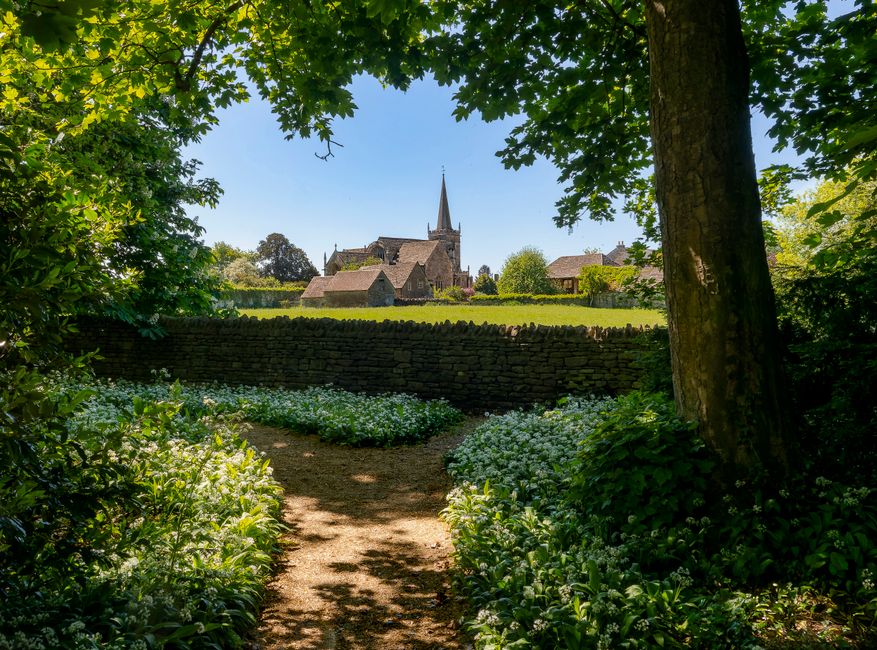
How gardeners in TN4 prepare gardens near St Peters Church

Gardens around St Peters Church in TN4 need a thoughtful, local approach. The area can be a little different from a standard suburban plot: there may be shaded corners, passing foot traffic, mature boundaries, church-side views to respect, and weather exposure that changes quickly from one boundary to the next. So, when people ask how gardeners in TN4 prepare gardens near St Peters Church, the honest answer is: with a mix of practical groundwork, tidy presentation, and enough flexibility to deal with real-world conditions.
That means more than a quick mow and a bit of pruning. It usually involves checking soil, managing weeds, protecting plants from wind and frost, shaping hedges neatly, and making sure the garden feels welcoming rather than overworked. In our experience, the best results come from treating the garden like a living space, not a one-off job. Below, you'll find a clear, local, and useful guide to the process.
Why How gardeners in TN4 prepare gardens near St Peters Church Matters
Preparation is what turns a garden from "usable" into genuinely good. Near St Peters Church, presentation matters because the garden may be visible from pathways, neighbouring homes, or public-facing boundaries. A scruffy edge or an overgrown hedge stands out quickly. But it is not only about looks. A properly prepared garden also copes better with damp spells, sudden wind, compacted soil, and seasonal slowdowns.
There's also a practical reality. Gardens that are prepared well take less work later. A bed that has been cleared, fed, and mulched now will usually be easier to maintain through spring and summer. A lawn that has been aerated and levelled has a better chance of recovering after heavy use. And a hedge that's been shaped properly does not become a chaotic wall of growth by midsummer. Simple enough, but people still skip these basics and then wonder why everything feels harder in May.
For nearby homeowners, tenants, and property managers, good preparation also supports day-to-day enjoyment. A tidy, stable, well-planned garden makes outdoor time calmer and more useful, whether you want somewhere quiet to sit, a safer place for children, or just fewer weeds sneaking in every time it rains.
Expert summary: The best garden preparation near St Peters Church is not about doing everything at once. It is about focusing on the right tasks in the right order so the garden looks better, lasts longer, and needs less rescue work later.
How How gardeners in TN4 prepare gardens near St Peters Church Works
The process usually begins with a quick but careful site assessment. A good gardener will look at light, soil condition, drainage, access, boundary lines, existing plant health, and the amount of maintenance the space can realistically handle. A small shaded garden behind a church-facing property needs a different plan from a sun-trap front space with dry soil and exposed fencing. No two gardens are quite the same, which is half the job, really.
From there, work is generally split into stages. First comes clearing and correction: removing weeds, fallen debris, broken stems, and anything that blocks healthy growth. Then comes shaping and renewal: pruning, hedge trimming, lawn care, edging, and soil improvement. After that, the finishing stage: mulching, replanting, container refreshes, tidy borders, and any structural fixes such as fencing, decking, or patio cleaning where needed.
Some gardens need a soft seasonal refresh, while others need more intervention. If the space has been neglected, it may need a broader reset, similar to a light renovation. That is where services like regular garden maintenance or a more complete tidy-up plan can help keep everything from slipping back into disorder.
In practical terms, the work is about building momentum. One task supports the next. Clear weeds, and the soil can breathe. Improve the soil, and planting becomes more successful. Shape the boundary, and the whole garden suddenly feels intentional. You can see why people get hooked on getting this stage right.
Key Benefits and Practical Advantages
A well-prepared garden near St Peters Church offers benefits that go beyond the obvious tidy-up. Here are the main ones people notice first:
- Better curb appeal: Neatly trimmed borders and healthy planting make the property feel cared for.
- Less maintenance later: Soil conditioning, mulch, and weed control reduce the weekly workload.
- Improved plant survival: Plants settle better when they are not competing with compacted soil or neglected beds.
- Safer movement: Clear paths, stable edges, and well-kept surfaces reduce trips and awkward access.
- More privacy: Trimmed and well-chosen hedging can screen views without making the garden feel boxed in. For useful reading, see fast-growing hedges that protect privacy.
- Weather resilience: Prepared gardens cope better with wind, heavy rain, and winter stress.
Another advantage is confidence. Once a garden feels under control, people use it more. They sit outside more often. They notice the planting. They start making smarter decisions instead of patching problems over and over again. That psychological shift matters, even if it sounds a bit grand. It really does.
Preparation also helps when a garden is being used for different purposes. A family garden, a quiet retreat, a place for pets, or a modest ornamental space all need slightly different priorities. A professional approach makes it easier to balance those uses without creating clutter.
Who This Is For and When It Makes Sense
This approach makes sense for a wide range of people. Homeowners in TN4 who want a more polished garden will benefit immediately, but it is equally useful for landlords, property managers, and anyone looking after a home close to St Peters Church where presentation matters. If a garden is visible from the street or is part of a shared setting, a planned approach becomes even more valuable.
It is also a strong option if you are noticing one or more of these signs:
- Weeds keep returning faster than you can pull them.
- The lawn looks patchy, thin, or lumpy.
- Hedges are getting uneven or too tall.
- Rainwater pools in the same area after showers.
- Planting beds look tired or unbalanced.
- You keep meaning to start, but the task list keeps growing.
That last one is more common than people admit. Gardens have a funny way of waiting politely for months, and then all at once becoming a weekend-eating monster. If that sounds familiar, preparation is exactly where to begin.
It makes sense before spring planting, before hosting visitors, before selling or letting a property, and before winter sets in. Some gardens need a one-off reset, others need an ongoing plan. If you are comparing support options, it can help to review general gardening services alongside the more specific jobs so you can match the work to the garden's actual condition.
Step-by-Step Guidance
Here is the practical sequence most experienced gardeners follow when preparing a garden near St Peters Church.
- Inspect the whole space. Look at lawns, borders, hedges, walls, paths, fences, containers, and any awkward corners. Note shade, wind, drainage, and access.
- Clear out debris and dead growth. Remove leaves, broken stems, spent annuals, and clutter that gets in the way of fresh growth.
- Deal with weeds properly. Pull them from the root where possible, then add mulch or ground cover to reduce regrowth. For extra practical ideas, the guide on keeping a garden weed-free is well worth a read.
- Cut back overgrowth. This may mean hedge trimming, light pruning, or reducing congestion around paths and beds. A clean shape helps the whole garden breathe.
- Test and improve the soil. Even without a formal lab test, gardeners can assess soil texture, moisture, and drainage. Compost, organic matter, or other enrichment can make a major difference. See also organic waste soil enrichment.
- Refresh the lawn. Mow at the right height, edge carefully, repair bare patches, and consider feeding or aeration if needed. If the grass is the weakest part of the garden, lawn care can lift the whole look quickly.
- Replant or reorganise. Add seasonal colour, repeat structural plants, or shift containers to improve balance and flow.
- Finish with borders and hard surfaces. Clean patios, tidy decking, straighten edges, and make sure the garden is easy to move through. Where needed, patio cleaning or decking services can sharpen the overall presentation.
A small but useful tip: if the garden has one area that always looks better in the morning light, start there. Quick wins help motivation, and once you see progress, the rest becomes less intimidating. Funny how that works.
Expert Tips for Better Results
There are a few habits that separate decent garden preparation from genuinely polished work.
- Work with the site, not against it. If an area is shady, don't keep forcing sun-loving plants into it. Use shade-tolerant planting, climbers, or structure instead.
- Layer your planting. Taller plants at the back, medium plants in the middle, low ground cover at the front. This gives a finished look even before everything fully establishes. For inspiration, see stylish ground covers for UK gardens.
- Use mulch early. It reduces weeds, locks in moisture, and gives beds a neat visual finish.
- Think seasonally. A garden prepared for late spring is not the same as one prepared for autumn or winter. Timing matters, even if people pretend it does not.
- Watch the edges. Crisp edges around lawns and borders can make a modest garden look much more refined.
- Don't ignore wind exposure. If the site is open, use planting or screening wisely. The article on reducing wind in your garden is especially useful for exposed plots.
One more thing. A lot of gardens near churches or older buildings look best when the design is restrained rather than busy. Clean shapes, healthy greenery, and one or two focal points often work better than stuffing every border with colour. Less noise. More charm.
Common Mistakes to Avoid
Most garden problems after preparation come from a few predictable mistakes.
- Cutting everything back at once. Heavy pruning without a plan can leave the garden bare, stressed, and oddly exposed.
- Ignoring drainage. If water sits in the same spot after rain, plants will struggle there no matter how pretty they are.
- Overfeeding the soil. More compost is not always better. Aim for balance rather than kitchen-sink gardening.
- Using the wrong plants for the light. A sunny border and a shady corner are not the same job.
- Skipping weed prevention. If you only remove visible weeds, the next wave is already waiting underneath.
- Forgetting hard landscaping. A garden can look "finished" on paper and still feel awkward if paths, fences, or patios are tired.
Another common slip: people tidy the obvious spots and leave the edges, corners, and hidden zones untouched. But the hidden parts are usually what make the garden feel messy later. It is the boring half-hour jobs that save the most grief. Annoying, yes. True, also yes.
Tools, Resources and Recommendations
Good preparation does not require a huge toolkit, but it does require the right basics. A practical set usually includes sharp secateurs, loppers, a sturdy rake, a spade, a fork, a hoe or hand weeder, gloves, a wheelbarrow or trug, and something for edging lawns cleanly. For a fuller overview, see essential garden tools.
For more specialised work, gardeners may also use:
- leaf blowers or vacuums for debris clearance,
- hedge trimmers for shaping larger boundaries,
- soil improvers and mulch for bed renewal,
- a lawn mower suited to the site size,
- pressure cleaning gear for patios and paths,
- ladders and safety equipment for higher work, where appropriate.
If the garden needs more than routine attention, it may be worth looking at landscaping or tree surgery for structural issues, and fencing if boundaries are failing or letting the whole space down.
People often underestimate how much difference a few good tools make. A blunt blade or flimsy fork slows everything down and makes the job less pleasant. To be fair, nobody wants to spend a Saturday fighting their own equipment.
Law, Compliance, Standards, and Best Practice
For domestic gardens, there is usually no complicated legal framework for simple preparation work, but there are still sensible standards to follow. Gardeners should work safely, avoid damaging neighbouring property, and take care around shared boundaries, paths, and access routes. If a site sits near public areas or shared entrances, tidy working habits matter a lot more than people think.
Good practice also means handling waste responsibly, using equipment properly, and being careful with any work at height or near hard surfaces. Reputable providers will typically have clear processes around health and safety, insurance and safety, and payment and security. That sort of clarity is not just paperwork; it is part of a professional service.
If you are comparing quotes or booking regular work, it also helps to check a company's approach to terms and conditions, complaints procedure, and privacy policy. It is not thrilling reading, obviously, but it does tell you how seriously the business treats its customers.
For anyone looking to understand pricing before booking, pricing and quotes is the sensible starting point. And if you want a broader look at the team behind the work, about us is a useful place to start.
Options, Methods, and Comparison Table
Not every garden near St Peters Church needs the same level of preparation. Here is a simple comparison of common approaches.
| Method | Best for | Pros | Watch out for |
|---|---|---|---|
| Basic tidy-up | Gardens that are mostly healthy but untidy | Fast, affordable, improves appearance quickly | May not solve soil, drainage, or structural issues |
| Seasonal preparation | Gardens heading into spring or autumn | Balances planting, pruning, and protection | Needs good timing and follow-up maintenance |
| Full reset | Overgrown, neglected, or awkward gardens | Creates a fresh foundation for long-term care | More time, more labour, and usually more planning |
| Low-maintenance redesign | Busy owners or rental properties | Less ongoing effort, cleaner structure | Needs smart plant selection and layout thinking |
For people who want a garden that stays easier to manage, low-maintenance design can be a smart move. It often combines ground cover, pruning routines, simple planting layers, and practical hardscape choices. A small rethink now can save a lot later. That is the dream, anyway.
Case Study or Real-World Example
Picture a modest TN4 garden near St Peters Church: a narrow lawn, a mixed border, one tired hedge, a patio with moss at the edges, and a shady side strip where weeds keep reappearing. Nothing dramatic, just a space that has quietly drifted into "too much to deal with" territory.
The preparation process would probably start with clearance and a proper cut-back. The hedge gets reshaped, the border is weeded and fed, the patio is cleaned, and the lawn is evened out and mown correctly. Then the awkward side strip gets a more practical solution, perhaps with ground cover or a tough planting scheme suited to shade. If the boundary feels exposed, a privacy hedge may be introduced in line with the guidance in this privacy hedge article.
Within a short time, the garden feels less like a leftover space and more like part of the home. It looks calmer. It works harder. And, perhaps best of all, the next visit is easier. That repeatability is a good sign. When a garden starts making your life simpler rather than busier, the preparation has done its job.
This is also where specialist support can help if the space is getting away from you. Many people start with a general refresh and then move into lawn mowing or more tailored lawn care once the basics are back under control.
Practical Checklist
Use this checklist before and during garden preparation near St Peters Church.
- Inspect shade, sun, drainage, and wind exposure.
- Remove dead leaves, broken stems, and general debris.
- Pull weeds from roots where possible.
- Trim hedges and shape borders cleanly.
- Check lawn thickness, level, and edge definition.
- Improve soil with compost or other organic matter if needed.
- Mulch beds to hold moisture and suppress weeds.
- Refresh containers and remove weak or failed planting.
- Clean patios, paths, and any tired hard surfaces.
- Review fences, access points, and visible boundaries.
- Make a seasonal follow-up plan so the work lasts.
If you are unsure where to begin, start with the messiest visible area first. It gives you the fastest morale boost, and that matters more than people admit. One clean corner often leads to another. Then another. Suddenly, you are back in control.
Get a free quote today and see how much you can save.
Conclusion
Preparing a garden near St Peters Church in TN4 is really about blending practicality with presentation. You clear what is holding the space back, improve what needs support, and shape the garden so it feels calm, usable, and well cared for. The work may seem small in pieces, but together those pieces create a space that performs better through every season.
Whether the job is a simple tidy-up or a fuller reset, the right preparation makes maintenance easier, plants healthier, and the whole garden more enjoyable to use. And that is usually the point, isn't it? A good garden should make life feel a little lighter, not heavier. A little more peaceful. A little more yours.
Frequently Asked Questions
What do gardeners usually do first when preparing a garden near St Peters Church?
They usually start with a site inspection, then clear debris and weeds before moving on to pruning, lawn work, and soil improvement. That order saves time and stops later work from being blocked by basic mess.
How often should a garden near St Peters Church be prepared or refreshed?
It depends on the size and usage of the space, but most gardens benefit from a seasonal refresh and regular maintenance in between. Busy or exposed gardens often need more frequent attention.
Is garden preparation different in shaded areas?
Yes. Shade changes everything from plant choice to moisture levels. Shaded gardens often need more selective planting, better weed control, and less reliance on sun-loving species.
Can a neglected garden be brought back without a full redesign?
Absolutely. Many neglected gardens recover well with a structured tidy-up, weed removal, pruning, lawn care, and soil improvement. A full redesign is only needed if the layout no longer works.
What makes garden preparation near St Peters Church different from other TN4 gardens?
The location can bring visibility, boundary sensitivity, older surroundings, and a need for neat presentation. That means the work often focuses on tidiness, restraint, and practical maintenance.
Do gardeners in TN4 handle hedge trimming as part of preparation?
Yes, hedge trimming is often part of the initial preparation process, especially if the garden has overgrown edges, blocked light, or poor boundary definition.
How can I reduce weeds after the garden has been prepared?
Mulching, ground cover, consistent upkeep, and better soil management all help. A single tidy-up is helpful, but weed control really improves when the garden is maintained afterward.
What should I do before asking for a quote?
It helps to note the main problem areas, whether you need lawn care, hedge trimming, patio cleaning, or a broader garden maintenance visit, and whether the space has access issues or special concerns.
Are there safety or liability issues to think about?
Yes. Safe equipment use, sensible working methods, insurance, and clear site access all matter. If you are hiring someone, it is wise to ask about their health and safety approach.
Can preparation improve a small garden as much as a large one?
Definitely. Small gardens often benefit even more because neat edges, careful planting, and good structure make a big visual difference in a compact space.
What are the most common mistakes people make?
Skipping weed prevention, ignoring drainage, over-pruning, and failing to match plants to the amount of light are the big ones. They sound simple, but they cause a lot of long-term frustration.
When is the best time to prepare a garden?
Spring and early autumn are often ideal, but the right time depends on the job. If the garden is overgrown or unsafe, preparation should begin as soon as practical rather than waiting for the perfect season.
How do I know whether I need maintenance or a larger landscaping job?
If the garden only needs clearing, pruning, and routine care, maintenance is usually enough. If the layout is failing, the surfaces are worn, or the space feels fundamentally awkward, landscaping may be the better option.
Where can I learn more about the team and services available?
You can read more on the company's about us page and explore the main gardening services overview for a wider sense of what is offered.